



Last updated: October 1, 2026
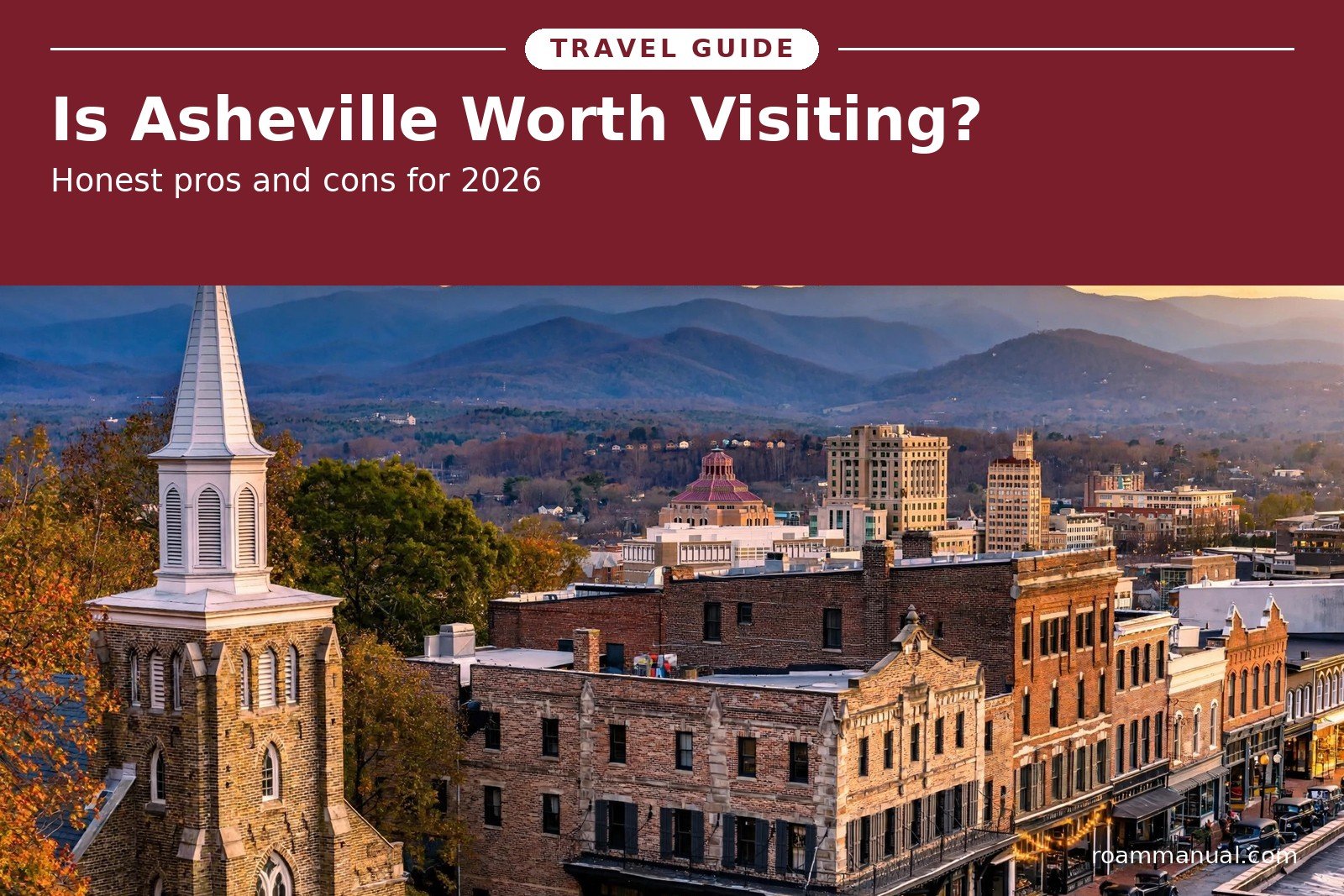
Is Asheville worth visiting in 2026? It is the question every traveler asks before booking a trip to western North Carolina. Two years after Hurricane Helene tore through the region, the honest answer is yes, but with eyes open.
Asheville is open and welcoming visitors. Downtown buzzes, the breweries pour, and Biltmore Estate runs its full calendar. At the same time, parts of the city still show scars, and some nearby mountain roads remain under repair.
This guide gives you the real picture: what is open, what is still rebuilding, the pros, the cons, the costs, and who should wait. No hype, no doom. Just facts so you can decide.
The Honest 2026 Verdict
- Short answer: yes, Asheville is worth visiting in 2026 for most travelers.
- What is open: downtown, Biltmore Estate, most breweries and restaurants, and the Blue Ridge Parkway south of Asheville toward the Smokies.
- What is not: parts of the River Arts District and Biltmore Village are still rebuilding, and one parkway section near Mount Mitchell stays closed into late 2026.
- Bonus: softer hotel occupancy means real deals, and your visit directly supports local jobs.
- Skip it if: you want a fully finished, polished resort town with zero construction. Asheville is not that right now.
What Hurricane Helene Changed
Hurricane Helene struck western North Carolina in late September 2024. Rivers rose to record levels, and the French Broad and Swannanoa rivers flooded large parts of Asheville. It was the worst natural disaster in the region’s modern history.
Two years later, recovery is real but uneven. Think of Asheville as a city where normal life and rebuilding happen side by side.
You will eat a great dinner downtown, then drive past a vacant lot in Biltmore Village that is still waiting for repairs.
What Is Open in Asheville Right Now
Downtown Asheville is fully open. The shops, galleries, restaurants, and bars along the walkable core never closed for long, and they operate on normal schedules in 2026. Hotel Indigo, the Flat Iron Hotel, and other downtown stays welcome guests.
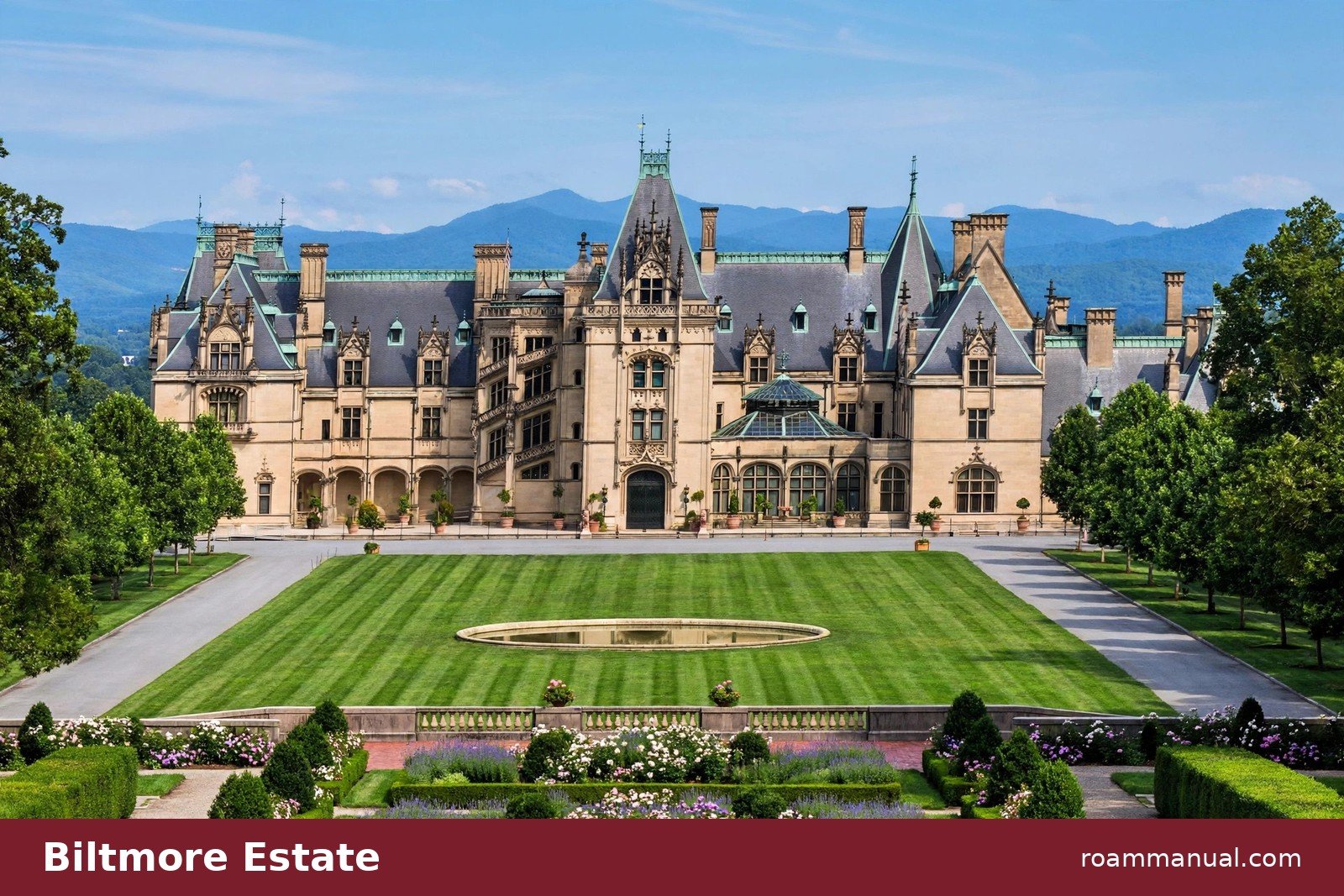
Biltmore Estate reopened on November 2, 2024, barely a month after the storm. The house, conservatory, winery, gardens, and hotels took minimal damage.
In 2026 the estate runs a full calendar, including the Luminere evening experience from March through October and the PGA TOUR Biltmore Championship from September 17 to 20.
The brewery scene is back, with South Slope taprooms like Hi-Wire Brewing and Green Man Brewery pouring daily. Beloved restaurants such as Early Girl Eatery and Chai Pani serve full menus.
New spots keep opening too, including AutoCamp Asheville, a 16-acre Airstream glamping resort on the French Broad River that opened in spring 2026 after extensive storm repairs. Check the official booking page for current rates.
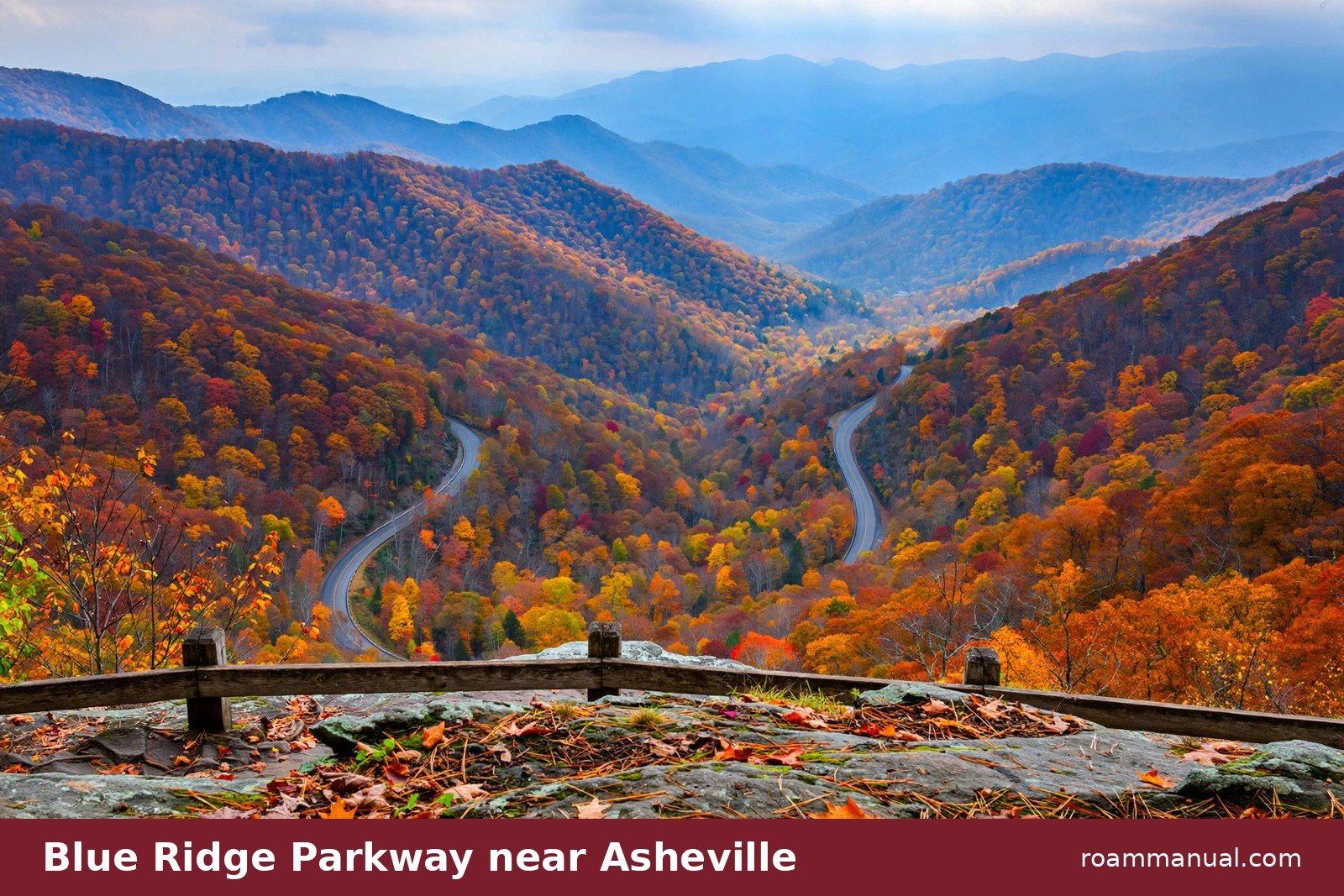
Outdoors, the Blue Ridge Parkway is open from Cherokee through Asheville and south to the Smokies.
Waterrock Knob, Mount Pisgah, and Graveyard Fields all welcome visitors. Mount Mitchell State Park reopened in September 2025 with the parkway stretch between Asheville and the park entrance.
What Is Still Rebuilding
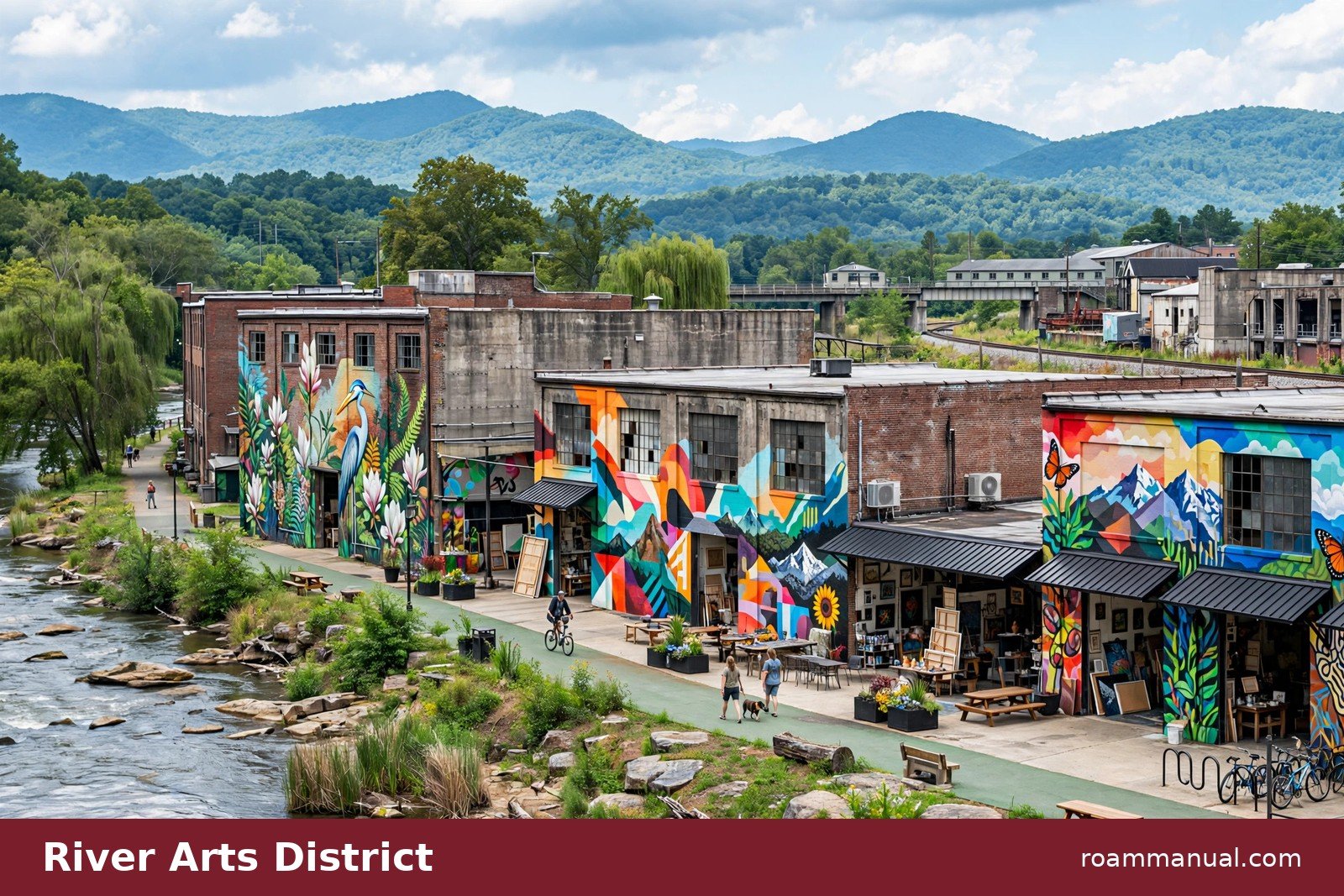
The River Arts District took some of the worst flooding, and it shows. Many studios have been renovated or reimagined, and art walks draw crowds again.
But some buildings remain closed, and one damaged structure has been turned into an outdoor skating rink while owners decide its future.
Riverview Station, a large studio building in the district, has not reopened. Its owners sold it after a difficult restoration process.
Artists have adapted by moving studios elsewhere in town and sharing gallery space, but the district that emerges will look different from the one Helene flooded.
Biltmore Village, at the gates of the estate, is a mixed picture. Some businesses have reopened, including shops and restaurants. Other properties remain vacant or under repair as the Swannanoa River corridor rebuilds.
On the Blue Ridge Parkway, only one section north of Asheville remains closed as of October 2026: mileposts 344.2 to 355.3, between NC-80 and Mount Mitchell. The rest of the road past Linville Falls and Crabtree Falls reopened in October 2026.
The National Park Service targets full reopening by the end of 2026. Open sections near construction zones carry dump truck traffic and reduced speed limits, so expect delays.
County employment is still down more than 2 percent from two years ago, and some restaurants and galleries never reopened. Recovery is measured in years now, not weeks.
Pros of Visiting Asheville in 2026
You get a real mountain city, not a theme park. Asheville pairs a walkable downtown with the Blue Ridge Mountains at its doorstep. Art, music, craft beer, and farm-to-table food pack into a city of under 100,000 people.
Prices favor travelers. Hotel occupancy ran at 51 percent in February 2026, and spring base rates started around $65 to $87 a night on major booking sites.
Average nightly rates sit near $146, with 3-star hotels around $121 to $129. That is genuine value for a popular mountain destination.
Your money matters here. About 70 percent of visitor spending in Buncombe County happens outside hotels, at galleries, restaurants, breweries, and small shops.
Those are exactly the businesses still feeling Helene the hardest. A trip here is a direct vote for recovery.
The calendar is full. Between Luminere at Biltmore, the PGA TOUR championship in September, the Asheville Art Museum’s 2026 exhibitions, and fall color season, there is always something on.
Beacon Park in Swannanoa is planned to open in fall 2026, with what is billed as the largest bicycle pump track in America. Check the park’s official page for the current status before visiting.
The scenery never closed. The mountains, the waterfalls, and the open parkway sections south of town are as stunning as ever. Fall color still peaks in mid-October, and the overlooks still deliver.
Cons of Visiting Asheville in 2026
Some areas look unfinished. If you wander the River Arts District or Biltmore Village expecting postcard perfection, you will see construction fences, empty storefronts, and work crews. For some travelers that is moving. For others it is a downer.
The parkway is not whole yet. You cannot drive the Blue Ridge Parkway straight through from Asheville to Boone in 2026.
One Helene closure is left, MP 344.2 to 355.3 near Mount Mitchell, and it blocks the through-drive. Crabtree Falls and Linville Falls are back on the open road. Plan a detour for the Mount Mitchell gap and check the NPS road status map before you go.
Construction traffic is real. Open parkway sections near repair zones carry heavy equipment. Speed limits drop, lanes narrow, and delays happen. Build extra time into driving days.
Some favorites are gone. A handful of restaurants, galleries, and studios never reopened after the flood. If you visited years ago and dream of one specific spot, check that it still exists before you promise it to your travel partners.
Prices are uneven. Budget hotels run cheap, but rents in town are higher than before the storm, and some experiences cost more as businesses rebuild. Asheville is not the bargain it was a decade ago.
Best Time to Visit Asheville
Mid-October is the crown jewel. Fall color peaks between 4,000 and 5,000 feet around the second and third weeks of October, and the parkway overlooks near town light up. Book early because this is the busiest season.
Late April through June brings mild weather, blooming rhododendron, and smaller crowds. Hotel rates drop, patios open, and hiking trails sit in their prime. For a deeper dive on autumn timing, see our Blue Ridge Parkway fall colors guide.
Winter is the quietest and cheapest season. Some attractions cut hours, and higher elevations can ice over, but downtown stays lively and Biltmore’s holiday programming draws visitors. Summer brings festivals and warm mountain evenings, plus the biggest crowds after fall.
How Much Does a Trip to Asheville Cost?
A mid-range trip for two runs roughly $200 to $350 a day, not counting travel to Asheville. That covers a 3-star hotel, meals at local restaurants, a brewery stop, and one paid attraction.
Hotels average near $146 a night, with budget options under $100 and 4-star stays around $211. Cabins on the outskirts run $250 to $350 a night. Mid-week stays cost less than weekends, and winter rates drop further.
Biltmore Estate day tickets are the biggest single expense for most visitors. Expect the house visit to be the priciest line item in your budget. Most other attractions, from downtown galleries to parkway overlooks, are free or cheap.
Food costs match any popular small city. A casual lunch runs $15 to $20 per person, dinner at a well-known local spot runs $30 to $50, and brewery pints sit in the normal craft range. Happy hour deals, common mid-week, trim the bill.
Where to Stay in Asheville
Downtown puts you in the middle of everything. You can walk to restaurants, breweries, galleries, and music venues, and park the car for the night. Hotel Indigo, the Flat Iron Hotel, and Cambria Hotel Downtown all sit in walkable spots.
Biltmore Village and the estate area suit travelers who center their trip on Biltmore.
The estate’s own hotels and village inns cut the drive to the house to minutes. Note that some village blocks are still rebuilding, so check your exact street.
West Asheville and the River Arts District offer funkier, cheaper stays near studios and music venues like Salvage Station.
The riverside venue plans to return at a new Lyman Street site, but its rebuild is still underway after a fire damaged the site in April 2026, so check its official page before planning around a show.
This is the best pick if you want local character and do not mind an area that is visibly mid-recovery.
For something different, AutoCamp Asheville’s Airstreams on the French Broad River opened in spring 2026 after extensive storm repairs. Check the official booking page for current rates. It books fast on weekends.
What to Do in Asheville
Tour Biltmore Estate first. America’s largest home anchors every Asheville trip, and the 8,000-acre grounds hold gardens, a winery, trails, and farm experiences.
Give it a full day. In 2026, time your visit for Luminere evenings or the September PGA TOUR championship if those appeal.
Walk downtown and the Urban Trail. The self-guided walking route links public art and historic plaques across the city center. Pop into the Asheville Pinball Museum, browse the galleries, and eat your way along the main streets.
Drive the Blue Ridge Parkway south of town. The open stretch toward Mount Pisgah and Graveyard Fields delivers classic mountain views without the northern closures. Pair it with our Blue Ridge Parkway road trip guide to plan the driving days.
Explore the River Arts District with open eyes. Studios that have reopened welcome visitors, and buying art directly supports the recovery. Check studio hours in advance, since some buildings still operate on limited schedules.
Do the brewery circuit. The South Slope packs multiple taprooms into a few walkable blocks. Hi-Wire and Green Man anchor the scene, and smaller rooms fill the gaps. Most tasting rooms are family and dog friendly in the afternoon.
Who Should Skip Asheville in 2026
Skip Asheville this year if you need everything polished and finished. The construction zones, closed parkway sections, and half-rebuilt blocks will frustrate travelers who want a seamless resort experience.
Skip it if your whole trip centers on driving the full Blue Ridge Parkway.
With northern sections closed into late 2026, you cannot do the complete route. Wait for the full reopening, or plan a trip focused on the open southern half.
Everyone else, from food lovers to hikers to art buyers, will find plenty worth the drive. Asheville rewards travelers who meet it where it is.
Is Asheville Worth Visiting? FAQs
Is Asheville back to normal after Hurricane Helene?
Mostly, but not fully. Downtown, Biltmore Estate, and the brewery scene operate normally. The River Arts District, Biltmore Village, and parts of the Blue Ridge Parkway are still rebuilding, with full parkway reopening targeted for the end of 2026.
Is it safe to visit Asheville in 2026?
Yes. The city is open and welcoming visitors, and tourism officials actively encourage travel. Use normal caution around construction zones and closed roads, and check the NPS road status map before driving the parkway.
What is open at Biltmore Estate in 2026?
The house, gardens, conservatory, winery, shops, restaurants, and estate hotels are all open. The 2026 calendar includes the Luminere evening experience from March through October and the PGA TOUR Biltmore Championship from September 17 to 20.
Can you drive the Blue Ridge Parkway from Asheville in 2026?
Partly. The parkway is open from Cherokee through Asheville and south, plus the stretch from Asheville to Mount Mitchell. The only closed stretch left is mileposts 344.2 to 355.3, just past Mount Mitchell, with full reopening targeted for the end of 2026.
Is Asheville expensive to visit?
It is moderate. Hotels average near $146 a night, with budget options under $100. A mid-range trip for two runs roughly $200 to $350 a day. Biltmore Estate tickets are the biggest single expense for most visitors.
When is the best time to visit Asheville?
Mid-October for peak fall color, late April through June for mild weather and lower prices, and winter for the cheapest rates. Summer brings festivals and the biggest crowds after fall.
Asheville in 2026 is a city worth visiting precisely because it is real.
You will find great food, live music, mountain views, and a community rebuilding with visible determination. Come with honest expectations, spend money at local businesses, and you will leave with a trip that meant something.
