


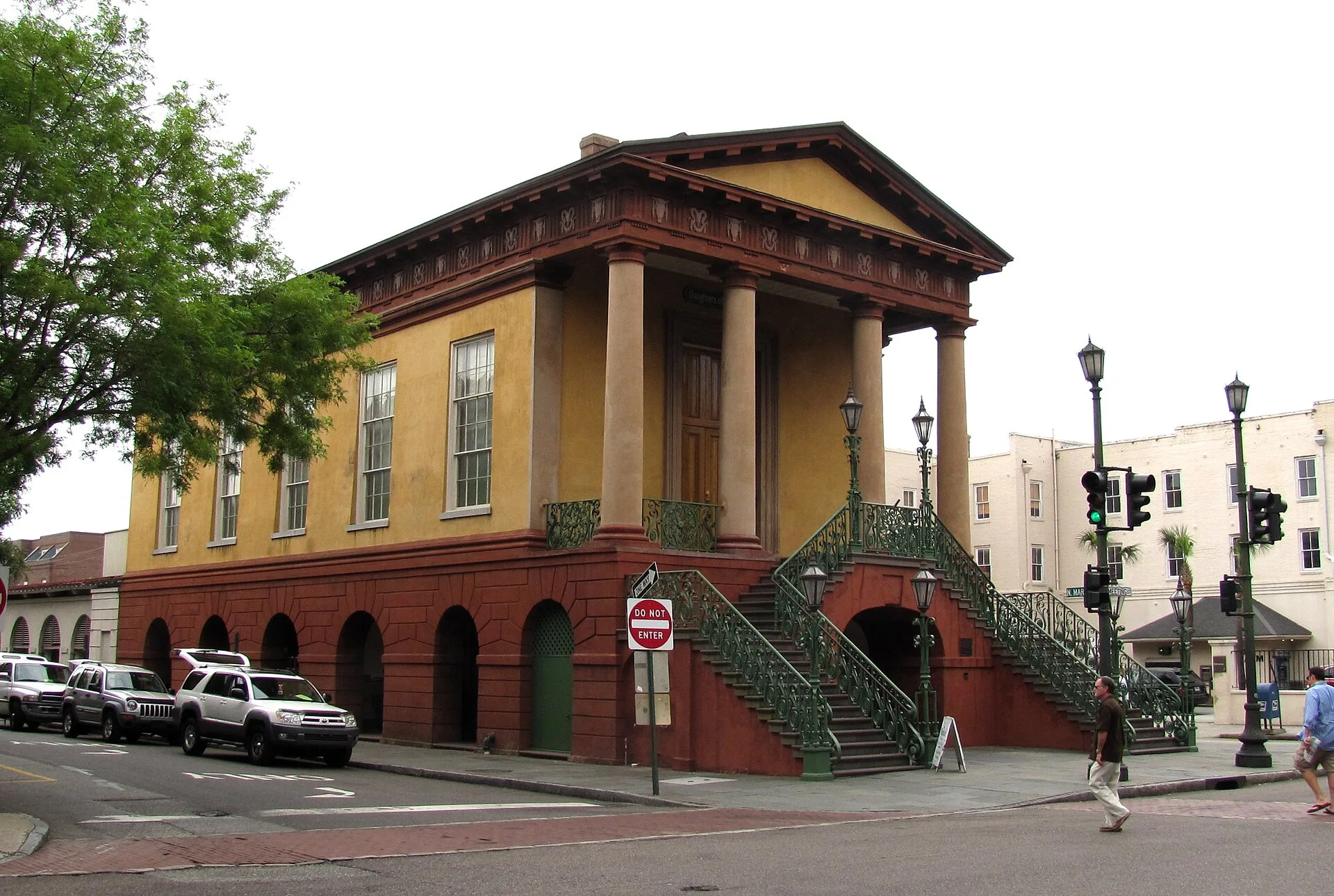
Rain surprises a lot of Charleston trips, and it ruins almost none of them. Most showers here roll in, soak the streets for an hour and roll back out toward the ocean.
Full washout days happen too, and the city answers them well. Charleston stacks museums, grand houses, a harbor aquarium and a covered market inside a few flat blocks, so a grey day still fills up fast.
This guide sorts the best indoor picks by mood. Pick two or three, add a long lunch, and your Charleston rainy day starts to feel like a plan rather than a problem.
New to the city? Our Charleston travel guide for first time visitors maps the neighborhoods and the full sight list, so start there if this trip marks your first visit.
First, a Quick Rain Reality Check
Charleston rain comes in two flavors, and the forecast rarely tells you which one you get.
Summer showers build fast on hot afternoons. Thunder cracks, rain hammers the piazzas for thirty to sixty minutes, and the sun often returns before dinner. A short indoor stop covers the whole event.
Washout days arrive with coastal storms and slow fronts. Rain settles in for hours, streets near the harbor can flood at high tide, and the city moves its plans indoors. Hurricane season runs from June 1 to November 30, and visitors in those months should watch the forecast before any trip.
Our weather in Charleston SC by month guide breaks down rainfall and storm patterns season by season, so check it before you pack.
Pack one light rain layer and shoes that handle wet brick. Our what to pack for Charleston SC list covers the full kit season by season.
Start With the Charleston Museum, America’s First Museum
The Charleston Museum dates to 1773, and history fans call it the first museum in America. Galleries at 360 Meeting Street trace the Lowcountry from early settlement through the Civil War, with silver, furniture, textiles and natural history specimens along the route.
Give it two hours on a wet morning. The museum opens at nine most days, so you can walk in as the rain starts and walk out as the sky clears.
- See the Lowcountry history galleries for rice, cotton and city growth stories
- Study the Charleston silver collection, a point of pride for local makers
- Bring kids to the Kidstory room, where young visitors touch and try history
- Ask the desk about combination tickets that add the historic houses below
Rain also thins the crowds at the houses along the museum mile. Visitors without reservations often claim tour spots that sunny spring Saturdays sell out days ahead.
Gibbes Museum of Art for a Quiet Hour
The Gibbes Museum of Art fills a grand hall at 135 Meeting Street, a short walk from the Charleston Museum. Paintings and sculpture connect Charleston to American art across three centuries, and the building itself gives you high ceilings, a rotunda and a calm courtyard.
Art slows a rainy day down in the right way. Tour the permanent galleries, catch the current special show, and sit in the courtyard cafe when the rain eases.
The Old Slave Mart Museum: Small, Quiet and Necessary
The Old Slave Mart Museum stands at 6 Chalmers Street inside the last surviving slave auction building in South Carolina. Thomas Ryan set up the mart in 1856, and sellers auctioned enslaved men, women and children here until 1863.
The museum tells that story with restraint and care. Panels, records and recorded voices explain Charleston and its central role in the domestic slave trade, and visitors leave with a deeper grasp of the city and its past.
Plan thirty to forty five quiet minutes here. The museum closes on Sundays, so weekday and Saturday rain suits it best. Treat the visit with respect: hushed voices and full attention fit this room.
Grand Houses Keep Their Stories Under a Roof
Rain suits house tours. Guides lead small groups through furnished rooms while rain taps the piazzas outside, and the whole experience feels closer to a visit than a show.
- Nathaniel Russell House: tour the free flying staircase and oval rooms at 51 Meeting Street, and hear how the Russell family and the enslaved people in their household lived under one roof
- Heyward Washington House: walk the home of Thomas Heyward Jr., a signer of the Declaration of Independence, and see the room where George Washington slept during his 1791 Charleston visit
- Edmondston Alston House: choose this East Battery Street house if you want harbor views from the piazza between showers
Each tour runs about an hour. The Charleston Museum runs the Heyward Washington House, so combination tickets pair the two stops and save you a second ticket line.
The South Carolina Aquarium Anchors a Family Rain Day
The South Carolina Aquarium rises over the harbor at 100 Aquarium Wharf, right beside the Fort Sumter ferry dock at Liberty Square. Two floors of tanks hold sharks, rays, river otters and local fish, and floor to ceiling glass keeps the harbor in view the whole time.
The Sea Turtle Care Center steals the visit. Staff and volunteers treat sick and injured sea turtles in open tanks, and visitors watch feedings and learn each patient and its story.
Book the aquarium for the wettest block of your day. Families can fill two to three hours here without strain, and the rain often quits before you leave.
Eat and Drink Your Way Through the Rain
Food rescues a rainy day in Charleston faster than any museum. Rain gives you permission to eat the long lunch you always skip.
- Stretch lunch at a Lowcountry dining room: order she crab soup, shrimp and grits and a second sweet tea, and let the storm pass outside the windows
- Join a cooking class: local cooking schools run hands on Lowcountry sessions where you cook gumbo, grits and benne wafers, then sit down and eat your work
- Hide in a King Street cafe: coffee shops and bakeries along King Street pour strong coffee and sell warm pastries, and window seats turn rain watching into entertainment
- Book the big dinner early: rain pushes every traveler toward the same dining rooms, so reserve your table before lunch rather than after
Shop the Covered City Market Halls
The Charleston City Market runs four blocks along Market Street, and long roofs cover the halls from end to end. Rain falls outside while you browse dry aisles of sweetgrass baskets, local art, spice blends and praline samples.
The Great Hall at the Meeting Street end adds full walls and air conditioning, so the heaviest rain still costs you nothing. Watch a basket weaver coil sweetgrass, talk with the makers, and choose one real souvenir instead of three small ones.
Arrive before noon on a weekend rain day. Crowds pour in after the first hard shower, aisles jam fast, and the basket weavers sell their finest work early.
King Street adds a second shopping layer two blocks west. Awnings and deep shopfronts run along the middle stretch, and you can hop from bookshops to clothing stores to antique rooms with only short dashes in the rain.
Slow Down: Bookstores, a Theater Matinee and a Spa Hour
Some rainy days ask for rest rather than sights. Charleston answers that mood too.
- Blue Bicycle Books on King Street sells used and rare books and hosts author events, and its long aisles reward slow browsing
- Buxton Books, also on King Street, stocks new titles and runs a busy event calendar
- Dock Street Theatre on Church Street stages plays and musicals in one of the oldest theater buildings in America, and a matinee fills a wet afternoon in style
- Downtown hotel spas sell massage and facial slots to visitors, so a soaked morning can end with a warm robe and a quiet room
A Rainy Day in Charleston With Kids
Kids forgive rain fast when the day keeps moving. Build the day around the aquarium and add two short stops so nobody melts down, including the adults.
- Start at the South Carolina Aquarium and give turtles the first vote
- Cross to the Charleston Museum and its Kidstory room for hands on history
- Visit the Children’s Museum of the Lowcountry on John Street, where young kids climb, build and play through interactive rooms
- End with hot chocolate and a movie at a downtown theater
Short hops matter. The free DASH shuttle loops the main sights, so you can ride between stops and keep small feet dry.
What to Skip When It Rains
Rain rewards indoor plans and punishes a few famous picks. Move these to your clear day list:
- Carriage tours: open carriages and wet horses serve nobody well, and operators pause tours in heavy rain and lightning
- The Fort Sumter ferry: boats cancel trips in rough harbor weather, and the fort itself offers almost no cover once you land
- Plantation gardens: paths turn to mud and the famous oaks drip for hours, so save Magnolia and Middleton Place for a dry morning
- Beach time at Folly Beach or Sullivans Island: grey surf and wet sand hold little charm
- Battery and Rainbow Row strolls: both sights shine in soft sun after rain, so tour them once the sky clears
None of these cuts hurt for long. Charleston rain usually breaks within a day, and your skipped sights wait for you tomorrow.
A Sample Rainy Day Plan
Short on time as well as luck? Our 1 day in Charleston SC itinerary covers the classic route, and this rainy version swaps its outdoor blocks for roofs.
| Time | Plan |
|---|---|
| 9:00 am to 11:00 am | Tour the Charleston Museum as the rain builds |
| 11:00 am to 12:00 pm | Walk two blocks to the Gibbes Museum of Art |
| 12:00 pm to 1:30 pm | Eat a long Lowcountry lunch on Meeting Street |
| 1:30 pm to 2:15 pm | Spend a quiet half hour at the Old Slave Mart Museum |
| 2:30 pm to 4:30 pm | Give the South Carolina Aquarium the wettest hours of the day |
| 4:30 pm to 6:00 pm | Browse the covered City Market halls and King Street shops |
| 7:00 pm | Settle into your reserved dinner, then catch an evening show at Dock Street Theatre |
Shift the blocks to match the forecast. Rain that starts at noon sends you to the aquarium first and the museums after lunch.
FAQs
Tour the Charleston Museum, the Gibbes Museum of Art and one grand house in the morning, then give the South Carolina Aquarium the wettest hours. A long Lowcountry lunch and the covered City Market halls round out a full rainy day without a single soaked hour.
Most Charleston rain comes as fast showers, often on summer afternoons, and clears within an hour or two. Full washout days arrive with coastal storms and slow fronts. Check the forecast in the morning and build your indoor block around the wettest hours.
Yes. Long roofs cover the market halls along Market Street, and the Great Hall at the Meeting Street end stands fully enclosed with air conditioning. You can browse baskets, art and food stalls without an umbrella inside the halls.
Kids do best at the South Carolina Aquarium, where the Sea Turtle Care Center fills two to three hours. Add the Kidstory room at the Charleston Museum and the Children’s Museum of the Lowcountry, and ride the free DASH shuttle between stops to stay dry.
Light rain rarely stops either one, but operators cancel trips for lightning and rough harbor water. The fort and the open carriages offer almost no shelter, so save both for a clear stretch and spend heavy rain indoors.
Pick the Charleston Museum for the full city story in one building. Add the Old Slave Mart Museum if you want the harder history Charleston owes every visitor, or the Gibbes Museum of Art if paintings suit your mood better.
Hurricane season runs from June 1 to November 30. Storms can bring days of rain and street flooding at high tide. Watch the forecast closely in late summer and early fall, and keep one flexible indoor day in any trip during those months.
Wear a light rain jacket, shoes that grip wet brick and quick dry clothing, since summer rain comes with real heat and humidity. Skip the heavy coat outside winter. An umbrella helps on open blocks, and piazzas and awnings cover most short hops.
Let the Rain Slow You Down
Charleston rewards travelers who roll with the weather. The city built its piazzas, covered market halls and museum mile for days exactly like this one.
Tour one museum well, eat one long meal, and save the gardens and the harbor for the sun. Rain today just gives tomorrow its shine.